Personal essays, notes, and ideas worth sharing.

Month: March 2026 (Page 2 of 9)

I Tried Underconsumption Core for 90 Days and Accidentally Changed My Mind About Everything

The TikTok Trend That Made Me Feel Seen (And Guilty)

Around the time everyone was telling me I needed to buy less, I was buying more. Not dramatically more. Just the normal more. A sweater that felt different from the three sweaters I already owned. A water bottle with a handle because the last one was “inconvenient.” Things that seemed reasonable at checkout felt absurd by the time they arrived on my doorstep. So when I started seeing #underconsumptioncore all over my feed, it felt less like a trend and more like an intervention.

I Tried Underconsumption Core for 90 Days and Accidentally Changed My Mind About Everything

What started as a quiet countermovement to haul culture has gotten genuinely massive. We’re talking over 700 million views on TikTok between mid-2024 and early 2025. The basic premise is disarmingly simple: stop buying things you don’t need. Stop treating consumption as entertainment. Question whether you actually want something or just want the feeling of getting something. It sounds obvious until you realize how many purchases you make on autopilot.

I watched videos of people showing off their tiny wardrobes, their deliberately slow shopping habits, their genuine contentment with owning fewer things. They didn’t look like they were punishing themselves. They looked peaceful. And I thought: I could do that. Ninety days. No new clothes, no new books, no impulse purchases. How hard could it be?

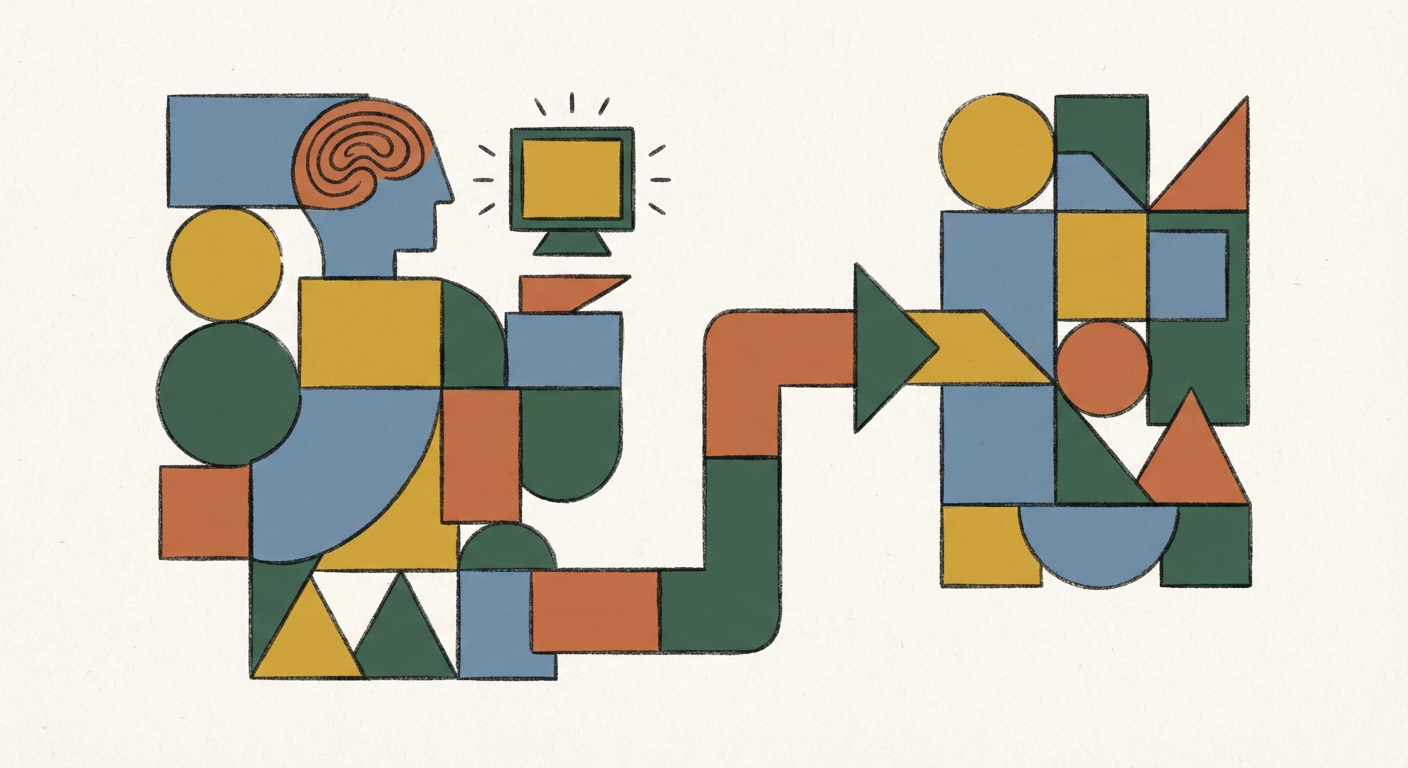
Illustration for I Tried Underconsumption Core for 90 Days and Accidentally Changed My Mind About Everything

The First Month: When I Realized I Had a Real Problem

Spoiler alert: harder than I expected. Not in the way I anticipated, though. I thought I’d battle constant cravings. Instead, I discovered that shopping wasn’t really about wanting things. It was about the pause button.

The first week, I had this strange phantom itch. I’d be scrolling through my phone, bored or stressed or just existing between tasks, and my fingers would automatically navigate toward shopping apps. Same muscle memory as checking email or opening social media. The habit ran deeper than I’d admitted. A 2025 NielsenIQ 2025 Consumer Outlook Report found that 52% of Gen Z consumers said they actively tried to reduce discretionary purchases in the past six months, up from 38% in 2023. I suddenly understood why. We’re not just tired of stuff. We’re tired of the decision-making.

By week three, something shifted. I stopped reaching for my phone when I was bored. I started noticing things instead. How many books I actually hadn’t read yet. How many clothes I’d forgotten I owned. How the sweaters I already had were, objectively, fine. More than fine. The default setting of my brain went from “what do I need” to “what do I already have that I’m not using.”

Here’s what nobody tells you about stopping shopping: it makes you confront what you’ve already bought. I found a dress in the back of my closet that still had the tag on. Couldn’t even remember buying it. That single dress became a tiny monument to every purchase I’d made without thinking.

The Middle Part: When I Started Seeing Money As a Concept Again

Around day 45, I did the math. Americans spent an average of $1,497 per household on impulse purchases in 2024 alone. Just impulse. Not planned, considered purchases. Just the small things we grab without thinking. That number made me sit down.

For a decade, I’d been thinking about shopping in this abstract way. You need clothes, you buy clothes. You want something, you get it. The money part felt separate from the wanting part, which I now realize is absolutely bonkers. But that’s how capitalism wants you to think about it. The transaction should feel frictionless and divorced from consequence.

Not buying things forced me to reconnect those dots. Every time I wanted something, I had to sit with the actual cost. Not just the number, but what else that money could do. It sounds like budgeting advice, but it felt more philosophical than that. Like I was remembering how to value things again.

I found myself browsing secondhand sites more than new ones. The ThredUp 2025 Annual Resale Report projects that the secondhand apparel market will reach $350 billion globally by 2028, growing three times faster than the overall retail clothing sector. That statistic started making sense to me in my gut, not just my head. There’s something about buying secondhand that forces you to slow down. You can’t just click and checkout. You have to think.

The Final Month: When My Brain Actually Changed

By day 75, I noticed something weird. Decision fatigue was gone. Not the big decisions. The constant low-level noise of wanting things had quieted. A UCLA psychology study from 2024 found that a 30-day buying pause on non-essentials reduced participants’ reported decision fatigue scores by 19% on average. My experience was less quantifiable but genuinely noticeable. There’s this weight that lifts when you stop constantly evaluating products and making micro-decisions about consumption.

I caught myself actually enjoying having fewer things. My closet was easier to navigate. I got creative with what I owned instead of assuming I needed something new. I borrowed a friend’s jacket instead of buying my own. Learned to thrift with intention instead of impulse. None of this felt like deprivation. It felt like I’d been living in a blurry state and suddenly the resolution came back.

The wildest part? I didn’t want to stop when day 90 came around. I thought I’d feel this explosion of purchasing energy, like I’d been holding my breath and finally get to exhale. Instead, I just kept going. Not as a trend or a challenge, but because something genuinely shifted in how I relate to stuff.

The Part Where I’m Honest About What Actually Changed

I’m not here to tell you that underconsumption core is the answer to everything. It’s not. I still buy things. I’m not wearing a uniform of three identical outfits or getting morally superior about other people’s shopping habits. That was never the point for me.

What changed is my relationship to the act of buying itself. I buy deliberately instead of automatically now. I question whether I’m bored or whether I actually want something. I started seeing shopping as something that required presence instead of something to do while scrolling. Once that clicked, it felt impossible to go back to the before version.

The trend helped because it gave me permission and a structure. But the actual work was just paying attention. If you’re curious about what might shift if you stopped for a while, I’d genuinely recommend trying it. Pick a timeframe that feels doable. Notice what happens. Pay attention to what you reach for when you’re bored or stressed. See if anything rearranges itself in your brain.

I’m genuinely curious whether this stuck with you if you’ve tried something similar, or whether there’s something you’ve been meaning to question about your own habits. Feel free to share in the comments.


My Brutally Annotated First Draft: How I Actually Prepped for the ‘Longevity Protocol’ Everyone Is Copying from Bryan Johnson in 2025

The moment I realized I’d been thinking about this all wrong

It was around 3 AM on a Tuesday when I found myself reading the same paragraph about epigenetic aging for the fourth time. I’d printed out Bryan Johnson’s latest update from Bryan Johnson’s Blueprint Protocol and scribbled notes in the margins like I was preparing for an exam I hadn’t studied for. My annotation read: “Wait. Do I actually believe this or do I just want to?” That question changed everything about how I approached what comes next.

Here’s the thing nobody tells you about getting into the longevity space in 2025: everyone’s already made up their mind. The Blueprint protocol went from niche biohacking curiosity to something your dentist mentions while cleaning your teeth. Google searches for it jumped 140 percent year-over-year. My Instagram feed looked like everyone suddenly woke up convinced that aging was optional. But I wanted to actually understand what I was looking at before I became another person buying supplements based on vibes.

The numbers that made me pause, then lean in

Let’s start with what drew me in. Johnson’s biological clock supposedly ticked backward. His epigenetic age sitting at 5.1 years younger than his chronological 47 is the kind of headline that makes you stop scrolling. Then there’s the cardiovascular fitness metric from the peer-reviewed research his team published with Buck Institute researchers in 2024: top 1.5 percent for 18-year-olds. At 47. I wrote in the margins: “If real, this is genuinely remarkable.”

But here’s where my annotation got messy. I started asking whether “remarkable” means “possible” or “proven.” The same research institutions publishing these findings also note that the Blueprint stack contains over 54 different compounds. That’s not a protocol. That’s a chemistry set. And the cost breakdown I found on Examine.com supplement research database put monthly spending between 1,000 and 2,000 dollars. I underlined that number three times and wrote: “Who can actually do this?” That, I realized, was the central problem everyone was glossing over.

The uncomfortable editorial I found in Nature Aging

Then I came across something that made me dog-ear a page. A 2025 editorial in Nature Aging basically said what I was thinking but couldn’t quite articulate. Multi-supplement stacks like Blueprint lack the long-term randomized controlled trial evidence we usually demand from health interventions. The researchers called the biomarker changes “promising but mechanistically unverified.” Something’s happening. We’re not entirely sure what, or whether it matters in ten years.

I scribbled this annotation in all caps: “THIS IS THE SENTENCE EVERYONE SHOULD READ BEFORE SPENDING 2K A MONTH.” Because it wasn’t saying Blueprint is fake or Johnson is a charlatan. It was saying something more honest: we don’t have the data to know if this works long-term. We have evidence it’s changing some numbers in the right direction. We have no idea if those number changes matter.

How I actually decided to approach this

The realization crept up slowly. I didn’t need to choose between “Blueprint is the future of medicine” and “this is all expensive nonsense.” Both could be partially true. So instead of copying the protocol wholesale, I did something quieter. I looked at the 54 compounds and asked which ones had the clearest evidence independent of Johnson’s project. Which ones made sense for my specific situation, my age, my actual health markers? Not his age. Not his markers. Mine.

I implemented maybe 30 percent of what Blueprint proposes, prioritized the compounds with the strongest backing outside this specific protocol, and spent probably 15 percent of what the full stack costs. My annotation on that decision: “This is respecting the science while admitting uncertainty.” I’m not trying to be 5.1 years younger by my biological clock. I’m trying to move the needle on things I can measure and things I actually care about.

What I learned about changing my mind without looking like an idiot

Six months into this, I don’t have dramatic before-and-after metrics to share. No epigenetic age reversal. No top-1.5-percent cardiovascular fitness ranking. What I have is a clearer head about how to engage with health claims, how to separate genuine signal from hype, and how to admit when I got something wrong. I started thinking this was about optimization. It was actually about intellectual honesty.

The trickiest part of changing your mind is doing it publicly. There’s a weird social penalty for saying “I was wrong” or “I revised my position” that doesn’t exist for just being consistently confident about something. But I think that’s backward. The people I respect most aren’t the ones who never change their minds. They’re the ones who do it clearly, show their work, and don’t pretend they were right all along.

If you’re standing where I was a year ago, scrolling past Blueprint content and trying to figure out what’s signal and what’s celebrity-fueled noise, I’d suggest doing what I did. Read the protocols. Find the editorials questioning them. Look at your own situation without trying to be someone else’s version of optimized. And maybe annotate along the way. It’s harder than just copying someone’s protocol. But it makes the whole thing actually mean something. What’s your experience been with this stuff? I’d genuinely like to hear what made sense to you and what didn’t.

I Tried the Viral Dopamine Menu and Discovered Something I Didn’t Want to Know

The Thing Everyone’s Doing

You know that moment when you realize everyone has suddenly started talking about the same obscure thing? That’s been the dopamine menu for the past few months. If you’ve somehow missed it, here’s the premise: you make a list of activities organized by how much effort they require and how much dopamine reward they deliver. Low effort, low reward activities in one column. High effort, high reward in another. The idea is that when your brain is fried and can’t make decisions, you pick something from the appropriate tier instead of doom-scrolling for two hours wondering what you should be doing.

I Tried the Viral Dopamine Menu and Discovered Something I Didn't Want to Know
I Tried the Viral Dopamine Menu and Discovered Something I Didn’t Want to Know

The concept exploded on TikTok last year, and I mean exploded. We’re talking eight hundred million views under the #dopaminemenu hashtag by early 2025. That’s not hyperbole—that’s just where we are now. People were creating color-coded Notion templates, filming their dopamine menus, organizing them by season. It became a whole thing. A Notion survey showed that dopamine menu templates got downloaded over a million times in the last quarter of 2024 alone, making it basically the second most popular wellness template after habit trackers. Which tells you something about where we’re collectively at with decision-making.

Illustration for I Tried the Viral Dopamine Menu and Discovered Something I Didn't Want to Know
Illustration for I Tried the Viral Dopamine Menu and Discovered Something I Didn’t Want to Know

Why This Actually Made Sense to Try

I have ADHD. I got diagnosed as an adult, which is common enough that it barely registers as interesting anymore—there are an estimated 366 million adults with ADHD globally now according to a recent Lancet Psychiatry ADHD prevalence meta-analysis. It’s not exactly niche anymore. One of the things nobody tells you about adult ADHD diagnosis is that suddenly all these small frustrations get a name. Like decision paralysis. Like the fact that choosing between forty different activities feels harder than actually doing any of them.

What made the dopamine menu interesting wasn’t that it was trendy, but that psychiatrists were actually backing it. Dr. Ned Hallowell, who literally wrote the book on ADHD (okay, he co-authored ADHD 2.0, but you know what I mean), called it “CBT in meme form” in an interview with ADDitude Magazine on dopamine menus. The concept aligns with established behavioral activation therapy, which meant this wasn’t just wellness theater. It was actual behavioral science wrapped in a TikTok bow. A survey from CHADD found that forty-four percent of adults tried some version of structured leisure planning after seeing it on social media, and sixty-one percent of those people reported less decision fatigue. Those are decent numbers. Decent enough that I thought: why not?

What I Actually Built

I made my dopamine menu on a Sunday morning like a reasonable person and then spent way too much time color-coding it. Low effort activities included things like scrolling Reddit for exactly fifteen minutes, making tea, taking a bath, listening to music. Medium effort stuff was reading a book chapter, calling a friend, going for a walk. High effort activities were things like writing, reorganizing a room, cooking an actual meal. I was very proud of this menu. It felt organized. It felt like I had my life sorted. I printed it out and everything.

For about three weeks, I actually used it. Every time I felt stuck, I’d look at my menu and pick something instead of melting into decision paralysis. It worked, too. I wasn’t wasting two hours figuring out what to do with myself. I was just doing something. The decision fatigue was noticeably lower. I felt more productive, less anxious. This was vindication. The internet had provided a solution and it had solved something.

Where It Got Weird

Then I noticed something embarrassing. The activities I kept reaching for were all the low effort ones. Every single time. Never the medium. Basically never the high effort stuff. I would look at “high effort” and think about it the same way you think about doing your taxes, something you acknowledge exists but will definitely do later. So I paid attention. I started tracking which activities I actually picked, and it was almost comical. Bath, tea, Reddit scroll, music, repeat.

And here’s the thing that stuck with me: that wasn’t a bug in the system. That was exactly what the system was supposed to do. I was supposed to meet myself where I was at. If my brain couldn’t handle high effort that day, fine. Pick something else. That’s the whole point of the dopamine menu, judgment-free activity selection.

But I kept using it for eight weeks because something about the pattern bothered me. And slowly, something became unavoidable. The embarrassing part. I wasn’t actually struggling with decision fatigue. Not really. Not most days. What I was actually doing was giving myself permission to do only low-effort things and calling it productive self-care. The menu became my excuse. I was using a legitimate tool as a prop in a story I was telling myself about why I wasn’t doing the things I actually wanted to be doing.

What Changed After I Admitted This

The dopamine menu wasn’t wrong. It’s a genuinely useful tool and I think it’s genuinely helpful for people with actual executive dysfunction. But for me, it became a way to avoid confronting the real issue, which was that I’d gotten comfortable with doing easy things and I was scared to push myself back into harder things. That’s not a dopamine problem. That’s a motivation problem. Which feels like a different thing entirely.

So I stopped using the menu as my script and started using it more honestly. I’d check it when I was truly stuck, but mostly I tried to notice when I was reaching for the low-effort column out of habit versus genuine need. And it turned out I could actually handle more medium and high effort things than I’d convinced myself I could. They were just scary because I’d gotten used to not doing them.

I think this is why I’m writing this out now. Because the viral dopamine menu is genuinely useful, and I don’t want to trash something that’s actually helping people. But there’s also value in admitting that sometimes tools work great until they become excuses. The embarrassing truth I discovered about myself was that I’m really good at that. At taking something helpful and turning it into a comfortable avoidance pattern. If you’re using a dopamine menu and you notice yourself only ever picking the easy column, maybe check in with yourself the same way I had to. Maybe you’re genuinely fried and need easy things. Or maybe, like me, you’ve just gotten good at talking yourself into staying small.

My Doctor Brought Up Ozempic at My Annual Physical—And Here’s Why I’m Actually Considering It

The Conversation I Wasn’t Expecting

So there I was, sitting on that crinkly paper in the exam room, getting the usual “your blood pressure looks good” speech, when my doctor casually asked if I’d been thinking about trying a GLP-1 medication. Not in a judgmental way. Just like she was asking if I’d tried the new coffee place downtown. I laughed a little because honestly, I wasn’t sure if she was serious. But she was.

My Doctor Brought Up Ozempic at My Annual Physical—And Here's Why I'm Actually Considering It
My Doctor Brought Up Ozempic at My Annual Physical—And Here’s Why I’m Actually Considering It

This wasn’t some random suggestion. She’d been my doctor for six years and knew my history, my actual lifestyle habits, and what I’d already tried. She explained that the medical thinking around weight loss has shifted pretty dramatically, and she thought it might be worth a real conversation. The thing is, she was right. The approach to obesity treatment has fundamentally changed in ways I didn’t fully grasp until she walked me through the specifics.

Illustration for My Doctor Brought Up Ozempic at My Annual Physical—And Here's Why I'm Actually Considering It
Illustration for My Doctor Brought Up Ozempic at My Annual Physical—And Here’s Why I’m Actually Considering It

Why Everyone’s Suddenly Talking About This

You notice it everywhere now. Your coworker mentions Ozempic at lunch. A celebrity does an interview about it. Someone’s TikTok is about their Zepbound experience. It’s not just casual chatter—this reflects a massive shift in how these drugs are being prescribed. According to recent health data, prescriptions for GLP-1 receptor agonists increased by more than 400% between 2022 and 2025. That’s not a small uptick. That’s a complete recalibration of the market.

The American Medical Association updated its official obesity treatment guidelines in 2025 to list GLP-1 medications as a first-line option, which matters. These drugs aren’t being tucked into the “last resort” category anymore. They’re up there with lifestyle modifications as legitimate, evidence-based treatment. When major medical organizations make that kind of pivot, it usually means something real has shifted in the research.

The sales numbers tell their own story too. Novo Nordisk reported that global Ozempic and Wegovy sales exceeded $25 billion combined in 2025. You don’t get those kinds of numbers from a niche product. You get them from something that’s genuinely changing how people approach their health, for better or worse, depending on how you look at it.

What The Research Actually Shows

My doctor pulled up some recent data, and this is where things got interesting. A major trial published in the New England Journal of Medicine obesity research showed that tirzepatide, which goes by the brand name Zepbound, produced an average weight loss of 22.5% of body weight over 72 weeks in adults with obesity. That’s not trivial. That’s meaningful, measurable results over a sustained period. I asked her what that translates to in real terms, and she said for someone at, say, 250 pounds, that would be around 56 pounds. We’re not talking about incremental change here.

But here’s what my doctor emphasized: these drugs work because of how they interact with your hunger signals and your blood sugar regulation. They’re not stimulants that trick your body into burning more calories. They actually change how your brain perceives hunger and fullness. That’s why the weight loss is so consistent in the trials, she explained. You’re not white-knuckling your way through a diet. You’re actually eating less because your body is sending different signals.

The Part Nobody’s Really Talking About: Who It’s Actually For

This is where my doctor’s recommendation started to feel personalized instead of generic. She wasn’t suggesting I take this because I’m overweight and should be thinner. She was suggesting it because I have specific health markers—slightly elevated triglycerides, prediabetic glucose levels, a family history of type 2 diabetes—that would benefit from the metabolic effects of these medications. The weight loss is almost secondary to managing these underlying risks.

She also pointed out something I hadn’t considered: I’ve been trying to lose weight through diet and exercise modifications for years with limited success. That’s not a character flaw. That’s potentially a metabolic reality that these drugs actually address. Some people have a harder time with weight management not because they’re lazy or undisciplined, but because their body chemistry makes it structurally more difficult. These medications can help rebalance that.

Affordability came up too, and it’s worth being honest about because it’s a real barrier for a lot of people. According to the KFF GLP-1 medication tracking poll, about 1 in 8 American adults has taken a GLP-1 medication at some point, but 43% cited cost as the primary reason they stopped. My doctor was upfront that insurance coverage varies wildly depending on your plan, and we’d need to check my specific coverage before making any decisions.

Where I’m Landing on This

I’m not jumping into this immediately, but I’m also not dismissing it anymore. What shifted for me was understanding that this isn’t about vanity or taking a shortcut. It’s about using a medical tool that’s been thoroughly researched and officially integrated into obesity treatment guidelines because it actually works for certain people in certain situations. That’s the friend-over-coffee version of what my doctor explained: if you have metabolic markers that would benefit from it, and you’ve struggled with traditional approaches, this might be worth exploring with your doctor.

The key word there is “your doctor.” This isn’t a thing to decide based on someone’s Instagram post or what you overheard at the gym. It requires an actual conversation about your specific health history, your goals, what you’ve already tried, and what your insurance situation looks like. My doctor made that clear, and I appreciated it because it cut through all the noise.

If you’ve been wondering about this like I was, the real move is scheduling that conversation. Not because you should definitely take these drugs, but because the evidence has changed enough that it’s worth understanding what it actually says and what it might mean for you specifically.

I Asked My Doctor About GLP-1 Drugs and Got a Messier Answer Than I Expected

The Conversation I Wasn’t Planning to Have

My annual physical was scheduled for a Tuesday morning in January. I showed up with the usual checklist: blood pressure check, cholesterol panel, the same questions about whether I’m flossing (I’m not, but I appreciate the optimism). What I didn’t expect was to spend twenty minutes discussing Ozempic.

I Asked My Doctor About GLP-1 Drugs and Got a Messier Answer Than I Expected

My doctor brought it up. Not because she thought I needed it, but because, as she put it, “everyone’s asking about it now.” She wasn’t exaggerating. At this point, if you’re not personally considering GLP-1 medications, you probably know someone who is. Prescriptions for these drugs have increased by over 400 percent in just three years, which is the kind of statistic that makes you realize this isn’t some niche wellness trend anymore. It’s genuinely reshaping how people approach weight and health.

But here’s the thing about that conversation with my doctor: it didn’t give me the clean, definitive answer I wanted. It gave me something messier and, I think, more useful.

Illustration for I Asked My Doctor About GLP-1 Drugs and Got a Messier Answer Than I Expected

What the Numbers Actually Show (And Don’t)

Before we talked, I’d done that thing where you fall down a research rabbit hole at midnight. The clinical data is genuinely striking. A recent trial published in the New England Journal of Medicine obesity research showed that tirzepatide, marketed as Zepbound, produced an average weight loss of 22.5 percent of body weight over seventy-two weeks. That’s not marginal. That’s the kind of result that makes people pay attention.

The American Medical Association updated its obesity treatment guidelines in 2025 to officially list GLP-1 medications as a first-line treatment option, right alongside diet and exercise. That matters because it’s no longer positioned as a last resort. It’s mainstream medical protocol now.

My doctor pointed out these facts but also noted something the headlines don’t capture: these medications work best when combined with actual lifestyle changes. The trial data looks impressive, but those results came from people who were also modifying their diet and exercise habits. Nobody’s discovering some miraculous escape hatch here. The weight loss is real, but so is the work that comes with it.

The Accessibility Conversation Nobody Really Wants to Have

Then we got into the part that felt more real than any clinical trial. My doctor asked if I had insurance coverage. She asked what I’d heard about the cost. She mentioned that the global market for Ozempic and Wegovy has exceeded twenty-five billion dollars annually, which sounds like great news for innovation until you realize that amount of money exists precisely because most people can’t actually afford these drugs.

According to a recent KFF GLP-1 medication tracking poll, about one in eight American adults have tried a GLP-1 medication at some point. That sounds like a lot until you look at the second number: forty-three percent of people who’ve used these drugs cite affordability as the reason they stopped. The medications work. People can’t afford to keep taking them.

My doctor was honest about this. She said she has patients on these medications who do incredibly well with them. She also has patients who scraped together enough for a few months and then had to stop. Patients whose insurance covers it without question and patients whose insurance denies it categorically. The clinical efficacy is consistent. The human experience is all over the map.

What I Actually Walked Away With

Here’s what my doctor and I landed on: if someone is struggling with weight management and has tried other approaches, GLP-1 medications are a legitimate tool worth discussing with a physician. That’s not the same as saying everyone should be on them. It’s not saying they’re a miracle. It’s saying they’re real and they work for some people in specific circumstances.

But she also said something I keep thinking about. She said, “The question isn’t whether this medication works. The question is whether it works for you, for your life, in a way that’s sustainable and affordable and fits into whatever else you’re managing.” That’s a less sexy answer than you get from the headlines, but it’s the one that actually matters when you’re the one making the decision.

We didn’t end up deciding anything definitive, which is precisely the honest place to end up. I’m not on a GLP-1 medication. I haven’t ruled them out forever either. I’m sitting with the information, turning it over, considering it. My doctor is sitting with me in that space rather than pushing toward a conclusion.

Still Figuring It Out

The truth is that we’re all in a kind of collective experimental phase with these medications. They’re real. They work. They’re expensive. They’re becoming normalized. All of that is true at the same time. The data will keep changing. Access will hopefully improve. Our understanding of how they fit into health and wellness will keep shifting too.

If you’re considering GLP-1 medications or just curious about them, I’d genuinely encourage you to have this conversation with your own doctor rather than pulling your understanding from social media or celebrity interviews. Come with your own specific circumstances. Ask about cost. Ask about what happens if you stop taking it. Ask whether it actually fits your life, not just your weight loss goals. The answers you get will probably be as complicated as mine were, and that’s exactly how they should be.

« Older posts Newer posts »

© 2026 Chantelhobbs

Theme by Anders NorenUp ↑