Personal essays, notes, and ideas worth sharing.

Author: blogadmin (Page 20 of 23)

The Geography of Belonging: How I Learned to Stop Looking for Home

The Kitchen Table Theory

I used to think home was a place you found once and kept forever. Like a good coffee shop or the perfect pair of jeans. You’d know it when you saw it, claim it, and that would be that. For years, I carried this romantic notion that somewhere out there was my place, waiting for me to stumble upon it and feel that magical click of recognition.

The Geography of Belonging: How I Learned to Stop Looking for Home

The kitchen table in my childhood house had a particular smell. Not just the wood polish my mom used religiously every Sunday, but something deeper. The accumulated scent of countless dinners, homework sessions, and late-night conversations. I thought home meant finding another place that smelled exactly like that.

Turns out I was completely wrong about almost everything.
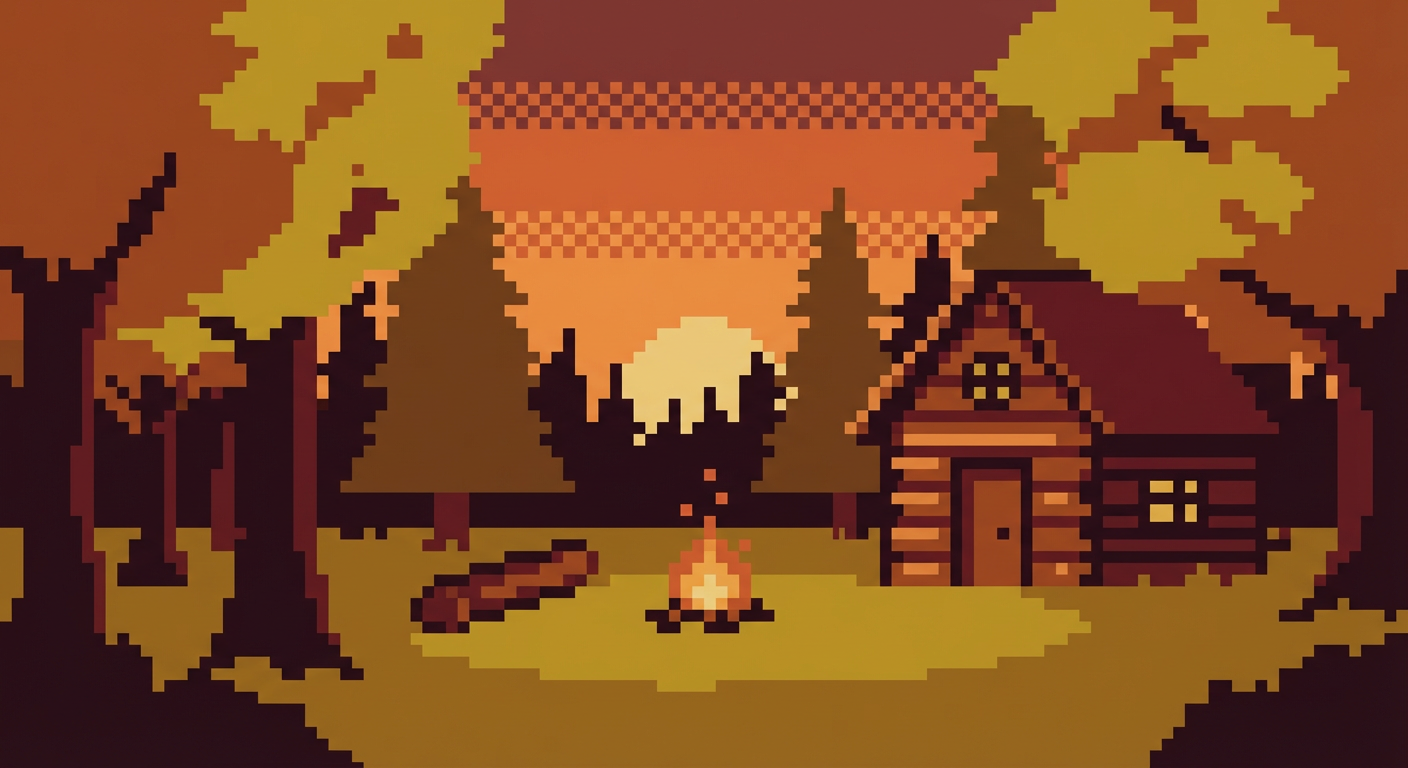
Illustration for The Geography of Belonging: How I Learned to Stop Looking for Home

The First Crack in My Theory

It hit me in an airport bathroom in Denver. I know, I know, not exactly where you’d expect a life revelation. But there I was, washing my hands, and this weird sense of calm just settled over me. The fluorescent lighting was awful. The paper towels felt like sandpaper. Someone two stalls over was having a screaming phone fight. Yet something about that sterile, anonymous space felt familiar in a way that caught me completely off guard.

I’d been traveling for work for about six months, living out of a suitcase more than my actual apartment. All that movement should have made me feel unmoored. Instead, I found myself getting comfortable with departure gates and hotel key cards. That bathroom moment was when I first thought, “Wait, maybe my childhood theory about home is total BS.”

It wasn’t the place that felt like home. It was my own comfort with being temporarily nowhere. I’d accidentally gotten good at finding peace in transition, and that skill came with me everywhere I went.

The Library Years

Graduate school brought me to a new city and the third floor of the university library. God, that place was ugly. The carpet looked like it hadn’t been replaced since Carter was president. The chairs were this aggressive orange that some decorator in 1982 thought was “energizing.” The heating system sounded like a dying whale. But every Tuesday and Thursday afternoon, I claimed the same corner table near the philosophy stacks.

Within a month, that hideous orange chair knew exactly how my shoulders curved. The librarian would give me a little nod when I walked past. I figured out which vending machine would give you two bags of pretzels if you hit B4 just right. Tiny details, really. But they started adding up to something that felt a lot like belonging.

Here’s what caught me off guard: I wasn’t trying to recreate my childhood kitchen table experience. I wasn’t looking for anything that smelled like wood polish or felt like Sunday dinners. This was something completely new that somehow did the same job, giving me a space where I could just exist without having to explain myself or put on a show.

That’s when it dawned on me that maybe I’d been thinking about this backwards. Maybe home wasn’t about finding the right place. Maybe it was about becoming the kind of person who could recognize home when it showed up wearing unexpected clothes.

The Coffee Shop Revelation

2019 was my “great coffee shop experiment” year. I’d joined the ranks of laptop-wielding cafe nomads, partly because my apartment’s wifi was trash and partly because I’d started craving the low hum of other people’s conversations. But instead of finding one perfect spot and planting myself there forever, I started cycling through five different places.

Each one was flawed in its own special way. There was the place with incredible pastries but chairs designed by someone who clearly hated human spines. The one with perfect seating but coffee that tasted like it had been filtered through disappointment. The hipster joint where they memorized my order but cranked the music just loud enough to make thinking feel like work.

I expected all this bouncing around to feel restless and scattered. Instead, I stumbled into something better than one perfect place: the ability to feel at home in several imperfect ones. Each spot worked for different moods, different weather, different kinds of projects. I wasn’t hunting for a replacement kitchen table anymore. I was building this whole constellation of spaces where different pieces of myself could get comfortable.

The barista at the loud hipster place started saving me the good window seat when it rained. The owner of the spine-torture-chair place would let me hang out past closing if I was deep in something important. Small gestures, really. But they added up to something I hadn’t expected: multiple homes, each incomplete but real.

What I Know Now

If I could sit down with my younger self, the one convinced home was something you stumbled across and claimed forever, here’s what I’d tell her: you don’t find home, you practice it. Like learning to parallel park or make scrambled eggs that don’t turn into rubber, it’s a skill that gets better with repetition and attention.

Home isn’t about finding the perfect place with the perfect smell and the perfect lighting. It’s about getting better at creating familiarity, comfort, and belonging wherever you happen to land. Some people are naturals at this. They can walk into any room and within an hour they’ve rearranged something, learned three people’s names, and somehow convinced the space itself to bend to their energy.

The rest of us learn it the slow way. We figure out that home is something we carry around and use strategically, not something we discover fully formed in the world. That airport bathroom felt familiar because I’d gotten comfortable with temporary spaces. The library corner became home because I’d shown up consistently. Those coffee shops taught me that home could be multiple, fleeting, and still completely legitimate.

I still think about that kitchen table, but the desperate nostalgia has faded. Now I get that what made it special wasn’t the wood or the smell or even the conversations. It was that my family had practiced being together in that space until the table itself became shorthand for our shared presence.

And that’s something you can build anywhere, once you realize what you’re actually looking for.

So I’m curious: where have you found home in unexpected places? Did it make sense, or did it blindside you like that Denver airport bathroom blindsided me?

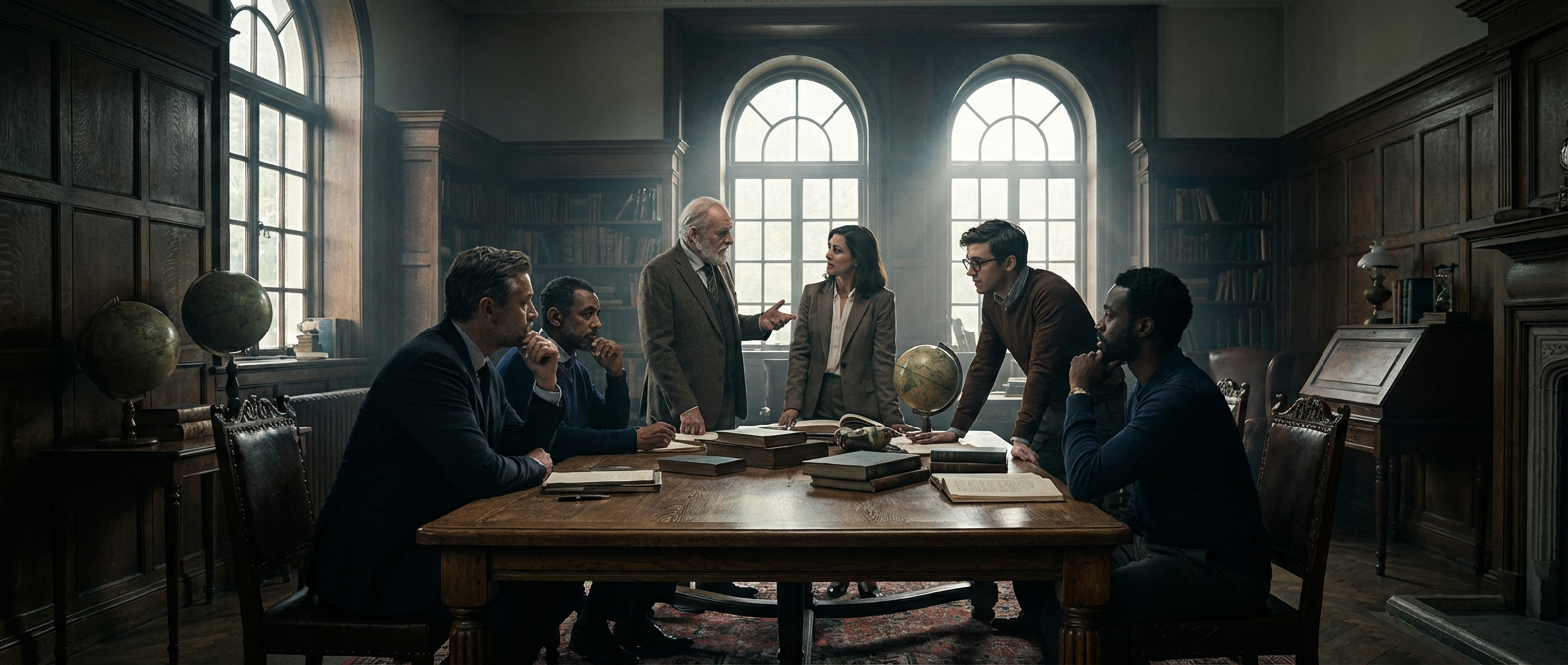
The People Who Shaped My Brain (And Why You Probably Haven’t Heard of Most of Them)

Your Heroes Are Probably Famous for All the Wrong Reasons

Everyone asks about influences like it’s a job interview question. Who shaped your thinking? They expect you to rattle off Einstein, Gandhi, or whoever’s trending on LinkedIn this week. But here’s the thing nobody talks about: the people who actually rewire your brain aren’t usually the ones with Wikipedia pages.

The People Who Shaped My Brain (And Why You Probably Haven't Heard of Most of Them)
The People Who Shaped My Brain (And Why You Probably Haven’t Heard of Most of Them)

My seventh-grade math teacher, Mrs. Chen, probably influenced my thinking more than any Nobel Prize winner. She had this habit of pausing mid-sentence when a student asked a question. Really pausing. Like she was hearing the question for the first time even though some kid asked the same thing every semester. That pause taught me something about listening that I’m still unpacking twenty years later.

We’re obsessed with intellectual celebrity culture. We name-drop Nassim Taleb or Malcolm Gladwell because it signals something about our personal brand. Meanwhile, the person who taught you to think differently about failure was probably your college roommate who failed organic chemistry twice and still became a doctor.

Illustration for The People Who Shaped My Brain (And Why You Probably Haven't Heard of Most of Them)
Illustration for The People Who Shaped My Brain (And Why You Probably Haven’t Heard of Most of Them)

The Grocery Store Philosopher

Frank worked the night shift at the Kroger where I shopped during grad school. He was probably sixty, had worked retail his entire life, and somehow knew more about human nature than most psychology professors. While scanning my ramen and energy drinks at 2 AM, he’d make these observations that would stick with me for months.

“People buying ice cream after midnight are either celebrating or grieving,” he told me once. “You can tell which by how they hold the container.” I started watching. He was right. Celebrators cradle it. Grievers grip it like they’re afraid it might escape.

Frank taught me that wisdom doesn’t require credentials. It requires attention. He’d been watching people for decades, noting patterns, forming theories. His insights about consumer behavior were sharper than anything I read in my marketing textbooks. But Frank will never give a TED talk or write a bestseller about his theories on late-night ice cream psychology.

The irony hurts. We pay consultants thousands of dollars to tell us what Frank figured out during fifteen-minute customer interactions. We’ve created this weird hierarchy where observations only count if they come from someone with the right letters after their name.

The Art of Productive Disagreement

My neighbor Sarah and I disagree about almost everything political. She’s conservative, I lean liberal. She thinks my recycling habits are performative nonsense. I think her gun collection is excessive. We’ve been having versions of the same argument for five years now.

But here’s what Sarah taught me that no diversity workshop ever could: how to disagree without demonizing. She never assumes my positions come from malice or stupidity. When I make a point about climate policy, she responds to my actual argument, not some strawman version she’s constructed in her head.

This sounds basic, but it’s revolutionary in practice. Sarah changed how I engage with people who see the world differently. She showed me the difference between winning arguments and having conversations. Most people are trying to score points. Sarah is trying to understand.

She also makes exceptional cornbread, which probably helps our philosophical exchanges stay civil. Food is diplomatic currency, and Sarah understands this instinctively.

The Dropouts and Career Changers

Marcus dropped out of law school in his third year to become a carpenter. His parents didn’t speak to him for two years. His professors called it a waste of potential. Marcus called it the smartest decision he ever made.

Watching Marcus navigate that choice taught me something about sunk costs and social expectations. He’d invested time, money, and identity in becoming a lawyer. Everyone around him was invested in that version of his future. But Marcus had the guts to admit that path was wrong for him, even when admitting it meant disappointing people he respected.

Ten years later, Marcus runs his own furniture company and seems genuinely content with his work. Meanwhile, half his law school classmates are miserable but making partner. Marcus taught me that sometimes the most rational decision looks completely irrational to everyone else.

There’s real wisdom in people who change direction mid-stream. They understand something about adaptability and self-knowledge that most of us are too scared to explore. They’ve practiced the art of starting over, which might be the most valuable skill you can develop.

Why Small Influence Beats Big Ideas

The truth about intellectual influence is that it happens in micro-doses. It’s not the grand revelation from reading Tolstoy. It’s your coworker explaining why she always emails difficult requests instead of making phone calls. It’s your uncle’s method for reading restaurant reviews. It’s the way your barista remembers not just your order but your preference for extra foam on Mondays.

These small influences compound over time. They shape how you notice things, how you solve problems, how you treat people. The grocery store philosopher, the neighbor who disagrees gracefully, the dropout who chose happiness over prestige. These people change you in ways that feel invisible until you look back and realize your entire worldview has shifted.

Maybe this is just me rationalizing my own intellectual mediocrity. Maybe I should be citing Nietzsche instead of Frank from Kroger. But I suspect the people who’ve really influenced your thinking aren’t the ones whose books line your shelves. They’re the ones whose small observations became part of how you see the world.

So who’s on your real list of influences? The ones you never mention at dinner parties because they don’t sound impressive enough? I’m curious about your grocery store philosophers and productive disagreers. The quiet teachers of everyday wisdom who shaped how you think without ever meaning to.

Five Places That’ll Make You Feel Like You’ve Been There Forever

The Corner Bookstore That Knows Your Name

You know the one. It’s probably not the biggest bookstore in town, and it definitely doesn’t have the sleekest website. But walk through those doors and someone behind the counter will look up from their stack of returns and ask how you liked that mystery novel they recommended three weeks ago. These places exist in a pocket dimension where time moves differently and dust motes dance in afternoon light streaming through windows that probably haven’t been cleaned since the Clinton administration.

Five Places That'll Make You Feel Like You've Been There Forever
Five Places That’ll Make You Feel Like You’ve Been There Forever

The magic happens in the spaces between the shelves. There’s always that one section that makes perfect sense only to the person who organized it. “Local Authors We Actually Like” sits next to “Books That Made Us Cry in Public” which somehow flows naturally into “Stuff We Bought at Estate Sales.” You’ll find yourself picking up books you never knew existed, written by people you’ve never heard of, about subjects that shouldn’t interest you but absolutely do.

This is for you if you’re the type of person who reads the acknowledgments page and gets genuinely excited when you find a book with margin notes from a previous reader. If you think algorithms are useful but soulless, and you miss the days when discovering something new required actual serendipity.

Illustration for Five Places That'll Make You Feel Like You've Been There Forever
Illustration for Five Places That’ll Make You Feel Like You’ve Been There Forever

The Diner That Time Forgot

I’m talking about the place where the coffee comes in those heavy white mugs that could survive nuclear war, and the waitress calls everyone “hon” without a trace of irony. The menu hasn’t changed since 1987, except they crossed out “meatloaf” in ballpoint pen sometime during the Obama years. The booth cushions are that particular shade of red vinyl that exists nowhere else in nature, and yes, at least one of them has duct tape holding it together.

The regulars have claimed their stools at the counter like territorial animals. There’s Frank, who orders the same thing every Tuesday for the past decade. There’s Margaret, who brings her crossword puzzle and somehow makes a single cup of coffee last two hours. The cook, whose name you’ll never learn, somehow remembers that you like your eggs over medium and your toast barely toasted.

You’ll love this place if you think breakfast should be available at all hours and that pancakes are an acceptable dinner choice. If you appreciate establishments where the décor peaked in the Carter administration and nobody seems particularly interested in changing it. If you’ve ever wanted to be a regular somewhere, this is your chance.

The Library Where Silence Actually Means Something

Not the new one with the glass walls and collaborative workspace buzz. I’m talking about the old Carnegie library with the marble steps worn smooth by a century of footsteps. The one where the circulation desk is made of actual wood and the card catalog still sits in the corner like a monument to a more methodical age. The librarians move with the quiet efficiency of people who understand that some things shouldn’t be rushed.

These places smell like old paper and possibility. The reading room has those green-shaded banker’s lamps that cast perfect circles of light on scarred wooden tables. Somewhere in the stacks, there’s always that one person researching something incredibly specific, surrounded by towers of books about 19th-century agricultural practices or the migration patterns of Arctic terns.

The children’s section exists in its own microclimate of controlled chaos, where story time happens in a circle on a rug that’s seen three generations of local families. The reference librarian, who’s been there since the building opened, can find anything. Seriously, anything. Try her.

This is your place if you still believe in the radical idea that information should be free and accessible to everyone. If you think research is an art form and that the best discoveries happen when you’re looking for something else entirely.

The Neighborhood Bar Where Everyone’s a Philosopher

Forget the craft cocktail scene for a minute. I’m talking about the place where the beer is cold, the lights are dim, and conversations happen at a civilized volume. The bartender knows your drink but doesn’t make a show of it. The regulars nod when you walk in, not because they’re your best friends, but because you’ve earned your place in the ecosystem through the simple act of showing up.

The décor is whatever was on sale in 1973, plus thirty years of accumulated character. There’s probably a mounted fish on the wall and definitely at least one neon beer sign that flickers when the weather changes. The jukebox plays the kind of music that sounds better after 8 PM, heavy on the classics and light on anything recorded after the millennium.

Conversations here have weight. People actually listen to each other instead of waiting for their turn to talk. The guy in the corner booth has opinions about everything from local politics to whether the Cubs will ever win another World Series. The woman at the bar knows more about jazz than most music professors and isn’t shy about sharing her knowledge.

You belong here if you think good conversation is a lost art and that some of life’s best insights happen when you’re not trying so hard to be insightful. If you appreciate places where people still know how to disagree without becoming disagreeable.

The Café That Perfected the Art of Lingering

This isn’t about the coffee, though the coffee is probably excellent. It’s about the tables that are just the right size for spreading out your laptop, notebook, and the remnants of a conversation that started two hours ago. The chairs that encourage you to settle in rather than grab and go. The staff who understand that sometimes people need a place to exist between home and work, between one thing and the next.

The acoustics hit that sweet spot where you can hear your own thoughts but still catch fragments of interesting conversations from nearby tables. There’s always someone working on what looks like the great American novel, someone else having a job interview over lattes, and at least one person who appears to be conducting their entire life via video calls.

The art on the walls changes monthly and has local artists whose work you can actually afford. The bulletin board by the door overflows with community announcements, lost cat flyers, and business cards for services you didn’t know you needed until you saw them listed.

What about you? I’m curious about the places that make you feel instantly at home. The spots where you can show up alone and never feel lonely. Drop me a line and tell me about your version of these places. I’m always looking for new recommendations, and I promise to visit with the proper appreciation for what makes them special.

Why I Only Work on Projects That Make Me Lose Sleep (For the Right Reasons)

The Death of Caring About Work

I used to think passion projects were for people with too much time and not enough bills. You know the type. They’re building artisanal soap empires from their garage while you’re wondering if microwaved leftovers count as meal prep. But here’s what nobody tells you about grinding through work you don’t care about: it doesn’t just drain your bank account slowly, it drains your soul efficiently.

Last year I turned down three perfectly respectable freelance gigs that would have paid my rent twice over. Instead, I spent four months working on a data visualization project about urban noise pollution that paid me exactly nothing and kept me up until 2 AM most nights. My accountant thinks I’ve lost my mind. My neighbor thinks I’ve found religion. Both might be right.

The thing about projects you actually care about is they don’t feel like work, even when they’re the hardest thing you’ve ever done. They feel like that moment when you’re trying to solve a puzzle and suddenly see the pattern everyone else missed. Except the puzzle is your entire professional life, and the pattern is the difference between existing and actually living.

The Midnight Oil Burns Different

There’s staying up late because you have to, and there’s staying up late because you want to see what happens next. I’ve done both enough times to know the difference in my bones. When you’re working on something that matters to you, 2 AM feels like possibility. When you’re not, 2 AM feels like punishment.

That noise pollution project? It started because I couldn’t sleep through my upstairs neighbor’s midnight vacuum sessions and wondered if anyone else was losing their minds to urban soundtrack pollution. Six months later, I had built something that helped city planners identify noise hotspots and residents document sound violations. The vacuum sessions didn’t stop, but at least I had turned my insomnia into something useful.

The best part wasn’t the final product or the recognition it eventually got. It was those 3 AM moments when I’d stumble onto a data pattern that revealed something surprising about how sound travels through apartment buildings, or figure out a more elegant way to visualize decibel levels over time. Those discoveries felt like finding twenty dollars in an old jacket, except better because I had earned them.

Money Follows Meaning (Eventually, Maybe)

Let me be clear about something: caring about your work doesn’t mean you can pay rent with good intentions. I’m not suggesting anyone quit their day job to pursue their dream of competitive origami or whatever. But here’s the uncomfortable truth most career advice skips over: the projects you care about have a way of opening doors you didn’t even know existed.

That noise pollution visualization led to consulting work with two architecture firms and a standing invitation to speak at urban planning conferences. None of which I saw coming when I was just trying to understand why my neighborhood sounded like a construction site at midnight. The money did follow, but it took its sweet time and arrived wearing clothes I didn’t recognize.

Meanwhile, those three well-paying projects I turned down? They would have been fine. Perfectly adequate work that would have left me perfectly adequate and probably a little more dead inside. There’s a special kind of poverty that comes from being well-compensated for work that doesn’t matter to you. Your bank account looks healthy, but something essential starts withering anyway.

The Art of Strategic Caring

Caring about everything is a recipe for burnout. Caring about nothing is a recipe for becoming the human equivalent of beige wallpaper. The trick is learning to care strategically, which sounds calculating but is actually the opposite. It’s about paying attention to what makes you curious at weird hours and what problems stick in your brain like annoying songs.

I keep a running list of things that bug me enough to research at 11 PM on a Tuesday. Why do grocery store checkout lines always move slower than they should? How do small towns decide which local businesses survive economic downturns? Why does every coffee shop playlist sound like it was curated by the same melancholy person in 2019? Most of these idle curiosities go nowhere, but the ones that keep bothering me usually turn into something worth pursuing.

The secret is not forcing it. You can’t manufacture caring the way you can manufacture deadlines or deliverables. But you can pay attention to when it happens naturally and then be brave enough to follow it somewhere uncomfortable. The best projects feel like controlled experiments in being more yourself, not less.

When Everyone Thinks You’re Wrong

Here’s the part where I admit this approach has made me look completely unhinged to most reasonable adults. Turning down guaranteed money to work on speculative projects that might lead nowhere is not sound financial planning. Choosing difficulty over certainty is not smart career strategy. Caring deeply about work in an economy designed to commoditize everything is not rational behavior.

But here’s what I’ve learned from three years of mostly following this instinct: being wrong about what matters to you feels different than being wrong about what other people think should matter to you. When my projects fail, they fail forward. When I used to fail at work I didn’t care about, it just felt like failing.

The noise pollution project taught me more about data analysis, user experience design, and municipal politics than four years of college courses. It also taught me that I could trust my own curiosity to lead somewhere worth going, even when the destination wasn’t clear from the starting point. That knowledge is worth more than whatever those three freelance projects would have paid me, though my landlord might disagree.

Maybe you’re reading this while procrastinating on work that feels like eating cardboard, wondering if there’s something you actually want to spend your time building instead. Maybe you’ve got your own version of midnight vacuum sessions keeping you awake and annoyed enough to do something about it. If so, I’d love to hear what problems are keeping you up at night for the right reasons.

Why Your Creative Failures Are More Valuable Than Your Successes

The Lie We Tell Ourselves About Creative Work

Here’s what nobody wants to hear: your creative successes are accidents. They’re lightning strikes that happened to hit while you were standing in the right field, holding the right rod, during the right storm. Your failures, though? Those are education.

Why Your Creative Failures Are More Valuable Than Your Successes

I’ve been keeping a failure journal for three years now. Not because I’m a masochist, but because I noticed something weird. Every time I nailed a project, I could barely explain how I did it. But every time I face-planted spectacularly? I could write a dissertation on exactly where things went sideways. The successes felt like magic. The failures felt like science.

We’re obsessed with celebrating the wins and burying the losses, as if creativity works like a batting average. But creativity isn’t baseball. It’s more like learning to walk as a toddler. You don’t get points for the steps you take successfully. You learn from every time you eat dirt.

Illustration for Why Your Creative Failures Are More Valuable Than Your Successes

The Pottery Class That Changed My Mind

Last fall, I signed up for a pottery class because my friend Sarah insisted it would be “therapeutic.” What she didn’t mention was that pottery is basically a masterclass in public humiliation. Week after week, I watched my lumpy, asymmetrical bowls collapse into abstract disasters while the woman next to me effortlessly pulled perfect cylinders from her wheel.

The turning point came in week five. I was attempting what the instructor generously called a “vase” when the whole thing imploded. Not gradually. Not gracefully. It just suddenly became a pile of wet clay, like my hopes and dreams had liquefied. I started laughing. Actually laughing, not the polite kind you do when you’re dying inside.

That’s when I realized I’d been approaching creativity all wrong. I’d been trying to avoid failure instead of courting it. The woman making perfect pots? She’d been taking this class for two years. She’d already had her thousands of failures. I was just getting started.

My pottery never got good, by the way. But I stopped caring about good. I started caring about interesting. And interesting, it turns out, lives in the space where things go wrong in unexpected ways.

The Permission to Suck

We need to talk about permission. Not the kind your parents gave you to stay up late, but the permission you give yourself to create terrible things. Most people never grant themselves this permission. They wait until they’re “ready” or “good enough” or have the “right equipment.” Meanwhile, they’re missing the entire point.

I started a podcast last year with equipment that cost less than a decent dinner. The audio quality was questionable. My interview skills were nonexistent. I asked guests things like “So, um, what’s your deal?” The whole thing was held together with digital duct tape and misplaced confidence.

Twelve episodes in, it was still pretty rough. But something interesting was happening in the roughness. The amateur hour quality made guests more relaxed. They said things they wouldn’t have said to someone who seemed more professional. The technical glitches became running jokes. The show developed a personality precisely because it wasn’t polished.

The permission to suck isn’t about lowering standards. It’s about recognizing that mastery requires you to be publicly terrible at something before you can be privately decent at it. And sometimes, if you’re lucky, the terrible thing you made while learning becomes more interesting than the technically perfect thing you make later.

What Failure Actually Teaches You

Failure is a terrible teacher if you’re looking for gentle encouragement. But it’s an excellent teacher if you want to understand systems, limits, and the gap between your intentions and reality. Success lies to you. It whispers that you’re naturally gifted, that you’ve figured something out, that you can repeat this magic trick. Failure tells you exactly where your understanding breaks down.

When my short story got rejected by seventeen magazines, I learned more about writing than when another one got accepted on the first try. The rejections forced me to examine the story’s structure, pacing, and character development. I rewrote it four times, each version teaching me something new about what I was actually trying to say. The story that got accepted immediately? I still don’t know why it worked.

This is the paradox nobody talks about: the projects that teach you the most are often the ones that never see the light of day. They’re the training wheels you need but never want to admit you’re using. They’re the scales you practice before you can play the song.

Failure also teaches you about resilience, but not in the inspirational poster way. It teaches you that creative work isn’t about avoiding obstacles. It’s about developing better relationships with obstacles. Learning to see them as information rather than punishment. Learning to pivot without taking it personally when the universe doesn’t care about your artistic vision.

The Unexpected Gift of Public Disasters

Here’s the weirdest thing about creative failures: they make you more interesting. Perfect people are boring. Perfect work is forgettable. But the story of how you screwed up spectacularly and what you learned from it? That’s compelling. That’s human. That’s the stuff that makes people lean in during conversations.

I bombed a comedy open mic so thoroughly that the host actually stopped the show to check if I was okay. It was mortifying. It was also the best thing that happened to my comedy writing. Because in the aftermath, analyzing what went wrong, I discovered I’d been trying to be funny instead of being honest. The bomb taught me that my voice worked better with observational humor than with setup-punchline jokes.

Your creative disasters are not detours from your real work. They are your real work. They’re the laboratory where you figure out what you’re actually trying to do, as opposed to what you think you should be doing. They’re where you discover your voice, your style, your particular way of seeing the world.

So here’s my unpopular opinion: celebrate your failures as loudly as your successes. Document them. Study them. Share them. Because the person who’s willing to fail publicly and learn from it will always be more interesting than the person who plays it safe and produces forgettable perfection.

What’s the most spectacular creative failure you’ve had lately? I’m genuinely curious. Because I bet there’s something in there worth celebrating, even if it doesn’t feel that way yet.

« Older posts Newer posts »

© 2026 Chantelhobbs

Theme by Anders Noren — Up ↑