
Chantelhobbs

Personal essays, notes, and ideas worth sharing.

Page 16 of 23

I Took Tuesday Off and Accidentally Discovered Why Everyone’s Talking About Micro-Sabbaticals

The Day I Broke the Rules Without Realizing It

Last month, I woke up on a Tuesday and decided I wasn’t going in. Not because I was sick. Not because I’d planned it. I just looked at my calendar, saw it was full of the kind of meetings that could have been emails, and thought: no. I took the day off on impulse. I didn’t email my boss some elaborate justification. I just marked myself out of office and went back to bed for another hour.

I Took Tuesday Off and Accidentally Discovered Why Everyone's Talking About Micro-Sabbaticals
I Took Tuesday Off and Accidentally Discovered Why Everyone’s Talking About Micro-Sabbaticals

By lunchtime, I’d been on a walk, read an entire book chapter without refreshing Slack, and made something that wasn’t toast for breakfast. By evening, I realized I’d accidentally done something that apparently has a name now and also a study backing it up. I’d taken what’s being called a “micro-sabbatical,” and I wasn’t alone in doing it without meaning to.

Here’s where it gets interesting: Gallup’s State of the Global Workplace report for 2025 actually ranked this as one of the top five workplace behavior shifts happening right now. Not someday. Right now. We’re not talking about fantasy four-day workweeks or European summers off. We’re talking about Tuesday.
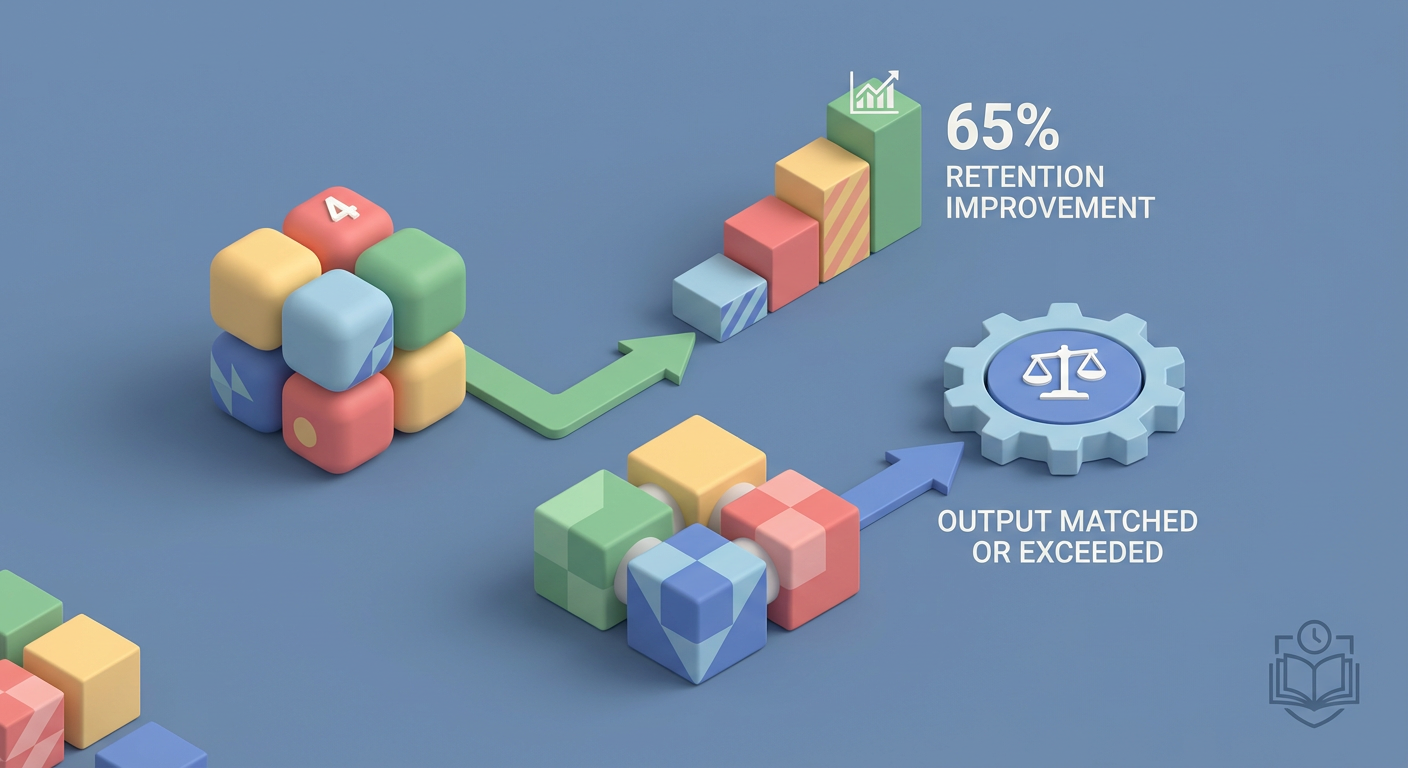
Illustration for I Took Tuesday Off and Accidentally Discovered Why Everyone's Talking About Micro-Sabbaticals
Illustration for I Took Tuesday Off and Accidentally Discovered Why Everyone’s Talking About Micro-Sabbaticals

What Quiet Vacationing Accidentally Became

Before “micro-sabbatical” was a term anyone used outside of HR departments, there was “quiet vacationing.” The name was kind of a catchall phrase that started circulating in 2024 for people taking personal time during work hours without formally logging it. Not exactly noble stuff on paper. A Harris Poll survey from Q2 2025 found that 37 percent of remote and hybrid workers admitted to doing this regularly enough that researchers decided to track it.

What surprised me is that nobody seemed particularly ashamed about it. The data existed. The behavior was widespread. And instead of cracking down, the conversation shifted to something quieter but also more honest: maybe the problem wasn’t that people were stealing time. Maybe the problem was that people had nowhere legitimate to take it.

Micro-sabbaticals feel like where that guilt went. They’re intentional. They’re usually disclosed. They’re typically just one to three unstructured weekdays taken during the middle of a quarter, outside of formal vacation time. The difference is that people are doing them on purpose now and kind of owning it. When a trend gets a Gallup citation, it stops being something you do quietly and starts being something you do openly.

The Data Says Something Weird About How We Actually Work

Here’s the part that made me stop and re-examine my Tuesday: a Korn Ferry study from 2025 found that employees who took at least two fully disconnected mid-week days per quarter reported 31 percent higher creative output scores on subsequent project evaluations. Not a little higher. Not marginally. Thirty-one percent.

That’s the kind of number that makes you wonder why we’re still having the conversation about whether people should be working five days a week. If you take two Tuesdays off and your creative work gets measurably better, why is that somehow radical? Why does that need research to justify it?

The four-day workweek trials that Cambridge University tracked across 60 UK companies through 2024 and 2025 showed retention improved by 65 percent and productivity matched or exceeded five-day baselines in 82 percent of the participating firms. I know those are UK numbers, not US numbers, but they’re also not dramatically different from how Americans work. We sit at desks. We write emails. We attend meetings that could have been emails. The geography doesn’t change the fundamental math.

And yet, according to US Travel Association vacation data, the average American worker left 9.5 vacation days unused in 2025. That’s almost two full weeks sitting on the table. We have the PTO. We’re not using it. We’re barely even taking Tuesday.

Why We’re All Pretending This Isn’t the Solution

I think micro-sabbaticals are becoming a thing because they’re small enough to feel achievable. Nobody’s waiting for their company to suddenly announce a four-day workweek. Those conversations are still theoretical, still happening in boardrooms with consultants. But a Tuesday? A Tuesday feels like something you can actually do.

The Cambridge four-day week trial results proved that structural change works when you have the buy-in and the planning. But most of us don’t have that. Most of us are working at companies where this conversation hasn’t even started. So we take a Tuesday instead.

And here’s the unpopular opinion: I think that’s fine. I think that’s actually honest. I don’t think we need to wait for the perfect policy before we admit that the five-day structure isn’t serving most of us anymore. A micro-sabbatical isn’t perfect. It’s not equitable across all industries. It definitely doesn’t work if you’re in customer service or hospitality or any field where you can’t just log off. But for the people who can do it, it seems to be working quietly.

My Tuesday off wasn’t revolutionary. I didn’t change the workplace. I didn’t fix capitalism. I just read a book and took a walk and made actual breakfast. My creative output will probably go up by 31 percent next month when I submit my next project. Or it won’t. But I’ll know the difference. I’ll have felt the difference.

The Inconvenient Truth About How We’re Actually Living Now

The thing about micro-sabbaticals that nobody wants to admit is that they’re an admission of defeat and a form of resistance at the same time. They’re people saying: the system isn’t working. And then: I’m going to fix it myself, even if it’s just for Tuesday.

This isn’t sustainable long-term. It’s not equitable. It’s not a policy. But it’s also not nothing. It’s a pattern. It’s 37 percent of remote workers doing it. It’s Gallup tracking it. It’s research showing it works. It’s that Cambridge study proving that people are more productive and stay longer at jobs when they don’t work five straight days.

My Tuesday off was an accident that turned into data. Now I’m wondering if there are other accidents happening right now that are actually the future trying to show up early. If you’ve taken an unexpected day mid-week and felt that shift happen, I’d like to hear about it. Not because I’m running a survey. Just because I’m curious whether what happened to me on a Tuesday is something that’s happening to other people too. Because if it is, then maybe this isn’t an accident at all.

The Things I Quietly Stopped Doing This Year

The Meeting Before the Meeting

I used to prep for every work call like I was defending a thesis. Twenty minutes of bullet points, backup slides, alternative explanations for when the first explanation inevitably fell flat. The kind of preparation that made me feel professional but left me exhausted before the actual conversation even started.

Somewhere around March, I realized I was spending more time preparing to talk about the work than actually doing it. Now I show up with maybe three key points scribbled on whatever’s closest to my keyboard. Turns out most people prefer the unpolished version anyway. They want to solve problems, not watch presentations.

Apologizing for Taking Up Space

I stopped saying sorry before asking questions in meetings. “Sorry, this might be obvious, but…” became just “Quick question about the timeline.” The word count dropped by four, but something bigger shifted. I wasn’t auditioning for permission to speak anymore.

This extends beyond conference rooms. I stopped apologizing for ordering something complicated at coffee shops, for taking a moment to count exact change, for existing at a pace slightly different from everyone else’s. The barista at my usual place started remembering my order around the same time I stopped prefacing it with “if it’s not too much trouble.”

Small thing, but it turns out confidence tastes better in a cortado.

Chasing the Dopamine of Productivity Theater

My to-do lists used to be performance art. Color-coded, categorized, with enough detail to reconstruct my entire thought process from three months ago. I’d spend Sunday evenings crafting the perfect system, convinced that *this* would be the week I achieved inbox zero and remembered to water the plants.

Now I write tomorrow’s priorities on a sticky note before I close my laptop. Three things max. Usually it’s something like “finish the Johnson proposal, grocery store, call mom.” Nothing revolutionary, but I actually do these things instead of spending energy managing the list of things I should do.

The elaborate systems felt productive in the moment, like I was taking control. Really I was just avoiding the uncomfortable reality that most productivity problems aren’t system problems. They’re priority problems, or energy problems, or “I don’t actually want to do this thing” problems. A better app can’t fix that.

Optimizing Every Single Thing

I used to research the best route to everywhere, even places I’d been dozens of times. Best parking, best time to arrive, best backup plan for the backup plan. Google Maps became my security blanket, and I’d check it compulsively even when I knew exactly where I was going.

This year I started just… going places. Taking the route that felt right, parking wherever looked reasonable, showing up when I showed up. Sometimes this means walking an extra block. Sometimes it means hitting traffic I could have avoided. Most of the time it means I’m present for the actual journey instead of anxiously managing it.

The same thing happened with my morning routine. I stopped timing my coffee to the minute, stopped calculating exactly how long I needed to walk the dog to optimize my schedule. Some mornings we take the long route because the light is good. Some mornings I drink my coffee cold because I got distracted by something interesting. The world didn’t end. My days got better.

Keeping Up With Everything

I unsubscribed from newsletters that I never actually read but felt like I should. The design ones, the industry updates, the carefully curated selections of things other people thought I needed to know. My inbox went from 47 unread emails every morning to maybe three that actually matter.

Same with podcasts. I stopped adding shows to my queue just because everyone was talking about them. Now I listen to maybe four podcasts regularly instead of maintaining a backlog that made me feel perpetually behind. Turns out the world keeps turning even when I’m not consuming every piece of content that crosses my path.

This isn’t about being uninformed. It’s about choosing what gets my attention instead of letting everything compete for it. I know more about the things I actually care about now. The rest is just noise anyway.

What’s Left

The weird thing about stopping these habits is how invisible the change feels day to day. I don’t wake up feeling dramatically different or liberated. I just have more space for the stuff that actually matters. More time to notice that the coffee shop changed their playlist, or that my neighbor finally painted their fence, or that I’ve been holding my shoulders too high again.

Maybe that’s what most good changes look like. Not revelation, just a gradual shift toward paying attention to what’s actually in front of you instead of optimizing everything around you. Worth considering what you might quietly stop doing next year.

I’m 32 and Just Got My First Real Houseplant (And Yes, I’m That Guy Now)

The Snake Plant Sitting on My Kitchen Counter Is Judging Me

So here I am, officially that person who owns a houseplant and talks about it. The snake plant on my kitchen counter has been staring at me for three weeks now, and I’m pretty sure it’s wondering why it took me 32 years to figure this out. Honestly? I’m wondering the same thing.

I used to think houseplants were for people who had their lives together. You know, the types who meal prep on Sundays and remember to water things that can’t remind them with push notifications. But then NASA dropped their latest clean air study data, and suddenly my apartment’s air quality became more interesting than my Netflix queue.

The NASA 2025 Clean Air Plant Study found that snake plants remove 94% of formaldehyde in 24 hours. Formaldehyde. That stuff that’s apparently floating around my apartment like an invisible, toxic house guest. My snake plant, who I’ve named Gerald for reasons I can’t explain, is basically a green superhero in a pot.

Everyone’s Suddenly a Plant Parent (And I Get It Now)

Plant sales shot up 156% in the first quarter of this year, and I’m part of that statistic. Walking into any Home Depot now feels like entering some kind of botanical wonderland where every plant has a “Clean Air Certified” label slapped on it. They partnered with NASA and now we’re all walking around with scientific justification for our sudden obsession with greenery.

Pothos became the bestselling houseplant last year after NASA confirmed it removes benzene, xylene, and toluene from indoor air. These are chemicals I can’t pronounce but apparently breathe daily. My neighbor has six pothos plants hanging around her apartment like green curtains, and I used to think she was overdoing it. Now I’m eyeing the empty corners of my living room and doing mental math about plant placement.

The whole thing feels like we collectively realized we’ve been living in slightly poisoned boxes and decided to fight back with foliage. It’s weirdly comforting to know that half the people I see carrying plants out of nurseries are probably having the same “why didn’t I do this sooner” moment I had.

My Apartment’s Air Is Apparently Terrible

The EPA indoor air quality and plants report found that homes with six or more air-purifying plants had 40% lower levels of volatile organic compounds. VOCs sound fancy, but they’re basically the chemical soup we’re all swimming in thanks to furniture, cleaning products, and that new car smell that’s actually not so great for your lungs.

I’ve been living in this apartment for two years, breathing whatever cocktail of chemicals my IKEA bookshelf and Lysol wipes have been serving up. Gerald the snake plant is apparently my first line of defense against this invisible nonsense, which feels both ridiculous and completely logical at the same time.

Looking around now, I can see exactly where the other five plants will go. That empty shelf by the window is perfect for something small. The corner by my desk needs something tall. I’m already planning like someone who’s discovered a cheat code for better living.

The Weird Science of Caring About Plants

NASA identified 47 specific houseplants that actually remove toxins, which means there’s real science behind this whole plant parent thing. It’s not just Instagram aesthetics or some trend that’ll disappear next year. These green things are literally cleaning the air I breathe while I sleep, watch TV, and overthink work emails.

Gerald doesn’t need much attention. Water every few weeks, don’t put him in direct sunlight, and apparently he’ll keep removing formaldehyde like it’s his day job. It’s the kind of low-maintenance relationship I can actually handle. No daily watering schedules or complicated fertilizer routines. Just a plant doing plant things while making my air less toxic.

The weird part is how quickly I started noticing other people’s plants. Walking through my neighborhood now, I spot the houses with plants in their windows and wonder if those people figured this out before me. Probably. Most things feel obvious once you know them.

Admitting I Actually Like This

Three weeks in, and I’m checking on Gerald more than I check my bank account. Not because he needs constant attention, but because there’s something satisfying about having a living thing that’s actively making my space better. He sits there, green and unbothered, doing important work while I go about my day.

I’m already planning the next addition. Maybe one of those pothos plants for the living room, something that can handle my tendency to forget about things for a week at a time. The fact that it’ll be removing benzene and other chemicals I can’t spell is just a bonus at this point.

So yes, I’m 32 and just figured out houseplants. Gerald’s probably rolling his metaphorical eyes at how long it took me, but he’s stuck with me now. We’re in this together, cleaning the air one day at a time.

Three Projects That Actually Matter (And Why I Keep Coming Back to Them)

My coworker asked me last week what I’d been working on that actually excited me lately. I paused mid-bite of my sandwich because honestly, most days feel like pushing pixels around for someone else’s quarterly goals. But then I realized I had three solid answers. Projects that make me forget to check Slack notifications. The kind of work that feels less like work and more like building something that needs to exist.

The Documentation Nobody Reads (But Should)

I’ve been obsessed with our company’s onboarding process for months now. Not the HR stuff with the benefits slides and the awkward icebreakers. The actual technical onboarding that determines whether a new developer spends their first month confused and frustrated or actually shipping code.

Our existing documentation was a graveyard of outdated screenshots and broken links. New hires would spend three days just trying to get their local environment running. I started rewriting it from scratch, testing every single command on a fresh machine. Added troubleshooting sections for the weird edge cases that always happen. Put in actual timestamps for how long each step should take.

The best part? I included a section called “Things That Will Probably Break” with solutions for the most common gotchas. Last month, a new hire messaged me to say they got everything set up in two hours instead of two days. That’s the kind of small victory that makes the tedious parts worth it.

Teaching My Manager to Actually Manage

This sounds more dramatic than it is. My manager is smart and well-intentioned, but they got promoted from senior developer to team lead without any real training on the human side of things. They’d schedule one-on-ones and then spend the entire time talking about tickets instead of asking how I was actually doing.

Instead of complaining or job hunting, I started treating it like a project. I found articles about effective one-on-ones and forwarded the best ones. Suggested we try different formats. Started bringing my own agenda to our meetings with actual career development topics instead of just project status updates.

It took about six months, but now our one-on-ones are actually useful. We talk about growth opportunities, skills I want to develop, and problems before they become crises. My manager started using the same approach with the rest of the team. Sometimes the best way to improve your work environment is to actively participate in improving it instead of waiting for someone else to fix things.

The Side Project That Became Real

I built a tool to track my coffee expenses because I was spending an embarrassing amount at the fancy place near the office. Started as a simple spreadsheet, then became a web app when I realized I wanted to see patterns over time. How much was I really spending? Did expensive coffee correlate with better days or worse ones?

The data was fascinating in completely unexpected ways. I discovered I bought coffee most often on Mondays and Thursdays. Expensive drinks correlated with deadline stress, not productivity. I was spending less on coffee than I thought but more on the pastries I bought with it.

Three friends asked if they could use it. Then five more. Now it’s a proper app with user accounts and a small but enthusiastic user base. People send me screenshots of their data discoveries. Someone used it to realize they were stress-eating expensive lunches during their job search. Another person figured out their optimal coffee schedule for maximum alertness without afternoon crashes.

Why These Projects Actually Matter

None of these are going to win awards or get written up in tech blogs. They’re small, specific solutions to real problems I encountered. But they share something important: they all made someone’s life measurably better in a concrete way.

The documentation saves new hires from frustration and gets them contributing faster. The manager coaching improved not just my work experience but created a ripple effect across the whole team. The coffee app helps people understand their own patterns and make better decisions.

I think that’s what distinguishes projects I actually care about from the ones I just complete. The meaningful ones solve real problems for real people, even if those people are just me and a handful of others. They have clear success metrics that matter: time saved, stress reduced, insights gained.

Finding Work Worth Caring About

The common thread isn’t the technology or the scope. It’s that I spotted something broken or missing and took ownership of fixing it. I didn’t wait for permission or a formal project brief. I just started building solutions and iterating based on real feedback from real users.

This approach works for any role. Customer service reps who create better scripts. Accountants who automate repetitive processes. Designers who fix confusing user flows without being asked. The key is spotting the gap between how things are and how they could be better.

What work problems have you been mentally solving during your commute? What small thing could you fix that would make your colleagues’ days slightly better? Sometimes the projects we care most about start with the problems that annoy us just enough to do something about them.

The Great Return-to-Office Wars of 2026: Why I’m Actually Team Hybrid (Sort Of)

Remember When We Thought This Was Settled?

So here we are again. Just when I thought we’d moved past the whole “where should people work” debate, 2026 decided to serve up a fresh helping of office drama. Amazon dropped the hammer on their 1.5 million employees worldwide this January, demanding everyone return to the office five days a week. No exceptions, no negotiations, just good old-fashioned butts-in-seats management.

The Great Return-to-Office Wars of 2026: Why I'm Actually Team Hybrid (Sort Of)
The Great Return-to-Office Wars of 2026: Why I’m Actually Team Hybrid (Sort Of)

I’ll admit it: I used to be firmly in the “remote forever” camp. The pandemic taught us we could work from anywhere, right? Productivity stayed up, commutes disappeared, and suddenly everyone had time to actually see their families. It felt revolutionary. Progressive. Obviously correct.

But something funny happened while I was busy being right about remote work. The world kept moving, data kept coming in, and I started noticing things that didn’t fit my neat little narrative.

Illustration for The Great Return-to-Office Wars of 2026: Why I'm Actually Team Hybrid (Sort Of)
Illustration for The Great Return-to-Office Wars of 2026: Why I’m Actually Team Hybrid (Sort Of)

The Numbers Game Everyone’s Playing

Let’s talk about what’s actually happening out there. That Gallup remote work preferences poll from February showed that 42% of remote workers would quit if forced back to the office full-time. That’s not a small number. That’s nearly half the workforce saying they’d rather find a new job than return to cubicle life.

Meanwhile, commercial real estate is having what can only be described as an existential crisis. Vacancy rates hit nearly 20% in major cities during the first quarter of this year. The highest on record. Ever. Downtown cores that used to buzz with lunch crowds and after-work happy hours now feel like movie sets waiting for actors to show up.

But here’s where it gets interesting. Companies aren’t just throwing darts at a board when making these decisions. Fortune 500 companies increased their use of productivity tracking software by 267% last year. They’re watching. They’re measuring. And what they’re seeing makes them nervous about purely remote setups.

The Plot Twist I Didn’t See Coming

This is where I have to eat some humble pie. That Stanford hybrid productivity study from March delivered a result that made me pause mid-sip of my work-from-home coffee. Hybrid workers were 23% more productive than their fully remote or fully in-office counterparts.

Twenty-three percent. That’s not margin-of-error territory. That’s not statistical noise. That’s a real difference any business would be crazy to ignore.

I spent weeks trying to poke holes in this finding. Maybe the methodology was flawed. Maybe hybrid workers were just better at gaming the productivity metrics. But the more I dug into it, the more it started making sense in ways I didn’t want to admit.

The hybrid workers had the best of both worlds: focused deep work time at home and collaborative energy in the office. They weren’t burning out from isolation or getting lost in endless Slack threads. They weren’t stuck in conference rooms for meetings that could have been emails, but they also weren’t missing the spontaneous conversations that actually move projects forward.

What Changed My Mind (And Why That’s Okay)

Here’s what I’ve learned about changing your mind: it’s not a character flaw. It’s pattern recognition finally catching up with reality.

I started noticing things in my own remote-first life that I’d been explaining away. The projects that stalled because three quick in-person conversations got replaced by two weeks of email ping-pong. The creative breakthroughs that used to happen in hallway chats and now just… didn’t happen at all. The way junior colleagues seemed to be struggling without the osmotic learning that comes from working near more experienced people.

Don’t get me wrong. I’m not suddenly Team Office All The Time. The old model was broken too. Commuting two hours a day to sit in meetings that could have been video calls was never the pinnacle of human efficiency. But pretending that physical proximity adds zero value to knowledge work was starting to feel like willful blindness.

The hybrid model isn’t perfect, but it recognizes that work is more complex than either extreme wants to admit. Some tasks need focus and minimal interruption. Others need the energy and spontaneity that only happens when humans share physical space.

Finding Peace in the Messy Middle

So here’s where I’ve landed: Team Hybrid, with heavy emphasis on the “sort of” in my headline. Not because I think it’s the universal answer to everything, but because I think it’s the most honest answer to the question of how most knowledge work actually gets done best.

The companies getting this right aren’t the ones mandating arbitrary schedules or treating office time like punishment for remote work sins. They’re the ones figuring out which activities truly benefit from being together and which ones are better done in solitude. They’re designing office space for collaboration and leaving the focused work for home. They’re treating the office like a tool, not a monument to management’s need for control.

Will this perspective shift again as more data comes in? Probably. I’m trying to stay curious instead of defensive about that possibility. The future of work is still being written, and I’d rather be wrong and adaptable than right and stuck.

What’s your take on all this? Are you seeing the same patterns in your own work life, or am I missing something obvious? I’m genuinely curious how this is playing out beyond my own little bubble of experience.

« Older posts Newer posts »

© 2026 Chantelhobbs

Theme by Anders Noren — Up ↑