
The Conversation I Wasn’t Planning to Have
My annual physical was scheduled for a Tuesday morning in January. I showed up with the usual checklist: blood pressure check, cholesterol panel, the same questions about whether I’m flossing (I’m not, but I appreciate the optimism). What I didn’t expect was to spend twenty minutes discussing Ozempic.

My doctor brought it up. Not because she thought I needed it, but because, as she put it, “everyone’s asking about it now.” She wasn’t exaggerating. At this point, if you’re not personally considering GLP-1 medications, you probably know someone who is. Prescriptions for these drugs have increased by over 400 percent in just three years, which is the kind of statistic that makes you realize this isn’t some niche wellness trend anymore. It’s genuinely reshaping how people approach weight and health.
But here’s the thing about that conversation with my doctor: it didn’t give me the clean, definitive answer I wanted. It gave me something messier and, I think, more useful.
What the Numbers Actually Show (And Don’t)
Before we talked, I’d done that thing where you fall down a research rabbit hole at midnight. The clinical data is genuinely striking. A recent trial published in the New England Journal of Medicine obesity research showed that tirzepatide, marketed as Zepbound, produced an average weight loss of 22.5 percent of body weight over seventy-two weeks. That’s not marginal. That’s the kind of result that makes people pay attention.
The American Medical Association updated its obesity treatment guidelines in 2025 to officially list GLP-1 medications as a first-line treatment option, right alongside diet and exercise. That matters because it’s no longer positioned as a last resort. It’s mainstream medical protocol now.
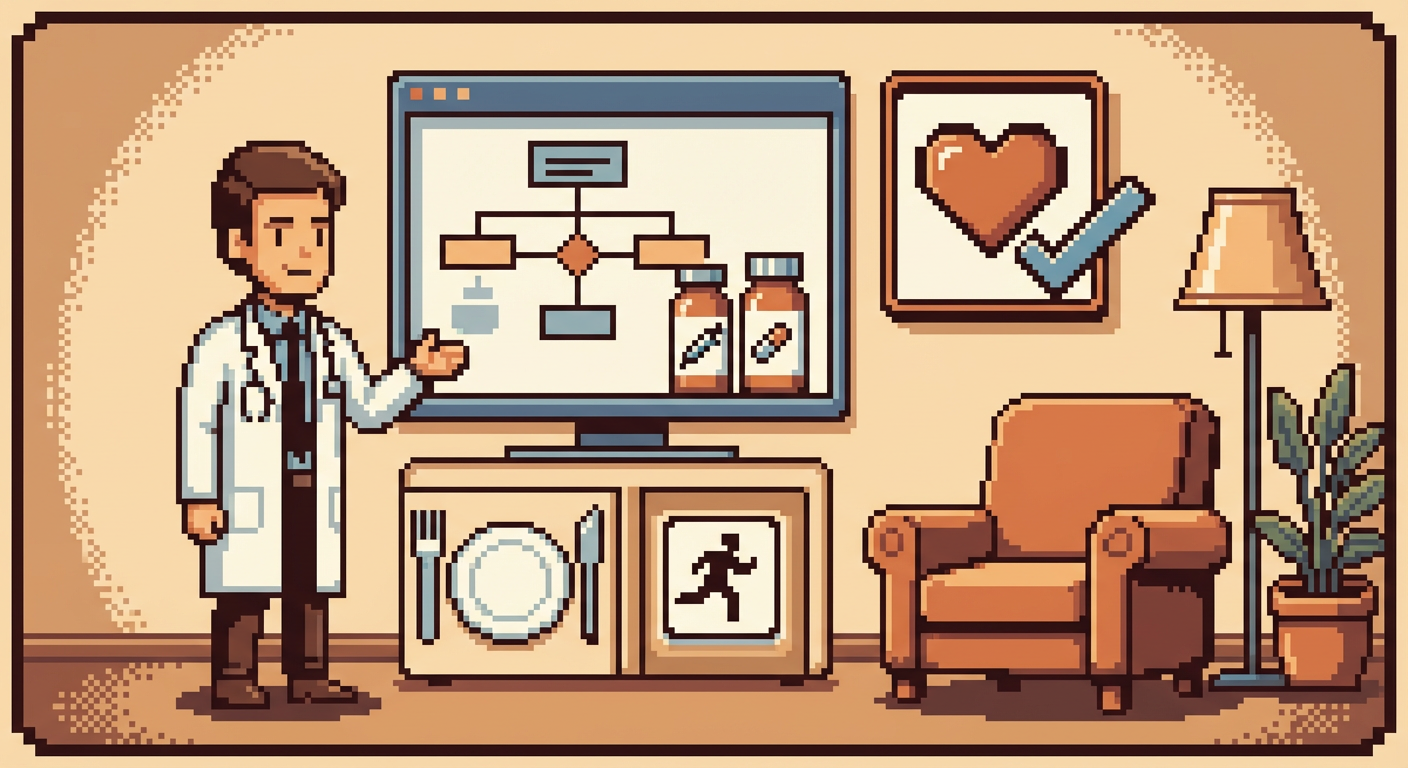
My doctor pointed out these facts but also noted something the headlines don’t capture: these medications work best when combined with actual lifestyle changes. The trial data looks impressive, but those results came from people who were also modifying their diet and exercise habits. Nobody’s discovering some miraculous escape hatch here. The weight loss is real, but so is the work that comes with it.
The Accessibility Conversation Nobody Really Wants to Have
Then we got into the part that felt more real than any clinical trial. My doctor asked if I had insurance coverage. She asked what I’d heard about the cost. She mentioned that the global market for Ozempic and Wegovy has exceeded twenty-five billion dollars annually, which sounds like great news for innovation until you realize that amount of money exists precisely because most people can’t actually afford these drugs.
According to a recent KFF GLP-1 medication tracking poll, about one in eight American adults have tried a GLP-1 medication at some point. That sounds like a lot until you look at the second number: forty-three percent of people who’ve used these drugs cite affordability as the reason they stopped. The medications work. People can’t afford to keep taking them.
My doctor was honest about this. She said she has patients on these medications who do incredibly well with them. She also has patients who scraped together enough for a few months and then had to stop. Patients whose insurance covers it without question and patients whose insurance denies it categorically. The clinical efficacy is consistent. The human experience is all over the map.
What I Actually Walked Away With
Here’s what my doctor and I landed on: if someone is struggling with weight management and has tried other approaches, GLP-1 medications are a legitimate tool worth discussing with a physician. That’s not the same as saying everyone should be on them. It’s not saying they’re a miracle. It’s saying they’re real and they work for some people in specific circumstances.
But she also said something I keep thinking about. She said, “The question isn’t whether this medication works. The question is whether it works for you, for your life, in a way that’s sustainable and affordable and fits into whatever else you’re managing.” That’s a less sexy answer than you get from the headlines, but it’s the one that actually matters when you’re the one making the decision.
We didn’t end up deciding anything definitive, which is precisely the honest place to end up. I’m not on a GLP-1 medication. I haven’t ruled them out forever either. I’m sitting with the information, turning it over, considering it. My doctor is sitting with me in that space rather than pushing toward a conclusion.
Still Figuring It Out
The truth is that we’re all in a kind of collective experimental phase with these medications. They’re real. They work. They’re expensive. They’re becoming normalized. All of that is true at the same time. The data will keep changing. Access will hopefully improve. Our understanding of how they fit into health and wellness will keep shifting too.
If you’re considering GLP-1 medications or just curious about them, I’d genuinely encourage you to have this conversation with your own doctor rather than pulling your understanding from social media or celebrity interviews. Come with your own specific circumstances. Ask about cost. Ask about what happens if you stop taking it. Ask whether it actually fits your life, not just your weight loss goals. The answers you get will probably be as complicated as mine were, and that’s exactly how they should be.
Recent Comments